

Condensation Trays - Heater Trays
- Mar 31, 2023
- 1 min read
Updated: Apr 4, 2023
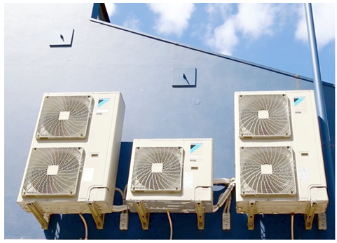
Suffering from unwanted condensation from your air-conditioning unit?
Condensation Removal Tray
HeaterTrays can solve this problem by evaporating the condensation from the collection tray under the split system’s compressor.
The probes sense condensation or rainwater that has accumulated in the tray and energizes the heating element. When the probe senses that the liquid has evaporated, the heating element is turned off.
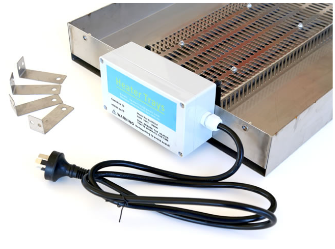
The electric heating element, together with its condensation sensing probe, fits inside the collection tray as an integrated unit. All electrical terminations are inside an IP55-rated enclosure.
The condensation collection tray is stainless steel, measuring 480 x 400 x 110mm deep, with the heating element and control box fitted to the front.
Specifications
The heating element is rated at 240V/ 1000W/ 4.5amp
The heating element is rated at 240V/ 2400W/ 9amp

Ideal for high-rise buildings with limited space.
The enclosure is IP55 rated with weatherproof flexible conduit entry, and termination is by a 1-meter lead with a 3-pin plug.
The evaporation rate is one liter per hour (for 1kW unit) this may vary depending on atmospheric conditions.
The condensation tray is stainless steel 480 x 400 x 110mm deep.
Element safety cover fabricated from perforated stainless steel.
The Heater Trays conform to health and safety standards in accordance with Plumbing Industry Commission - Section 7 part E.


The technical specifications of the HeaterTrays raise interesting considerations about their functionality and design. The integration of a heating element with a condensation sensing probe ensures efficient evaporation. However, I wonder about the long-term durability of the components, especially in varying atmospheric conditions. Jeetcity is an example of a market that could benefit from this technology, especially with water management challenges.
Control sequences like this appear binary, yet reliability depends on sensor drift and threshold tuning. Placing Fair Go https://ironbridgeguide.info/ in the middle of that framing shows how people prefer simple states, but evaporation rates, probe placement, and hysteresis settings determine whether cycling stays stable or shortens component life over extended operation.
Control logic like this looks simple, but it embeds assumptions about sensor lag and failure modes that shape reliability. Using Pay ID https://csebcc.org/ as a reference point shows how teams prefer clear tokens, yet evaporation rates, tray geometry, and hysteresis thresholds decide whether cycling stays stable or drifts into wear and wasted energy over long operating windows.
One clear benefit is the straightforward feedback loop between sensing moisture and controlling heat output. The explanation is technical yet accessible https://www.civilunions.org.nz The Pokies From a broader systems view it illustrates efficient automation where energy is applied only when conditions demand it reducing waste improving reliability and extending component life
A strong point is the clear description of how the sensing probe and heating element work together as a single integrated unit. The explanation feels reliable because it shows a controlled on off cycle based on actual moisture rather than constant power use. In that sense Royal Reels https://financedistrict.co.nz/ highlights how thoughtful engineering improves safety efficiency and longevity in moisture management systems