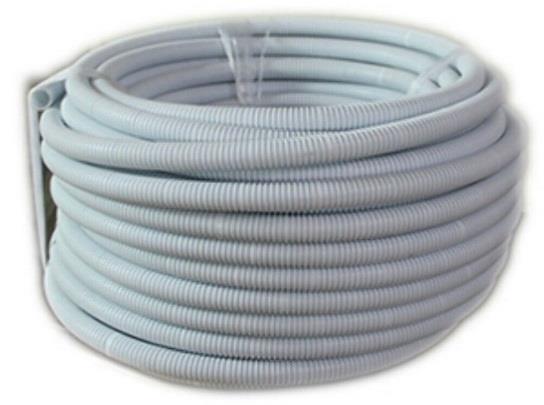
Corrugated Electrical Conduit
The Corrugated Conduit is a flexible PVC electrical conduit designed for protecting and routing electrical wiring in residential, commercial and building service installations. Its corrugated construction allows easier bending and routing around obstacles, making it practical for HVAC-R installation work, electrical runs, control wiring and general cable protection.
ERA’s electrical conduit range is designed to provide protection for enclosed conductors against impact, moisture and chemical vapours, while helping make wiring changes simpler and safer. ERA’s electrical conduit systems are listed under their electrical conduit and fittings range, with Australian/New Zealand standards referenced across the range.
Key Features
-
Flexible corrugated electrical conduit
-
Designed for electrical cable protection and routing
-
Suitable for HVAC-R installation and building service wiring
-
Easier to bend and position than rigid conduit
-
Helps protect enclosed conductors from impact and site damage
-
PVC construction for corrosion resistance and electrical insulation
-
Lightweight and easy to handle on site
-
Suitable for residential, commercial and light industrial installations
-
Useful for control wiring, power wiring and communication cable protection
Specifications
| Item | Specification |
|---|
| Brand | ERA |
| Model / Item No. | AED001-1 |
| Product Type | Corrugated Electrical Conduit |
| Material | PVC / PVC-U |
| Construction | Flexible corrugated conduit |
| Colour | Commonly orange or grey, depending on supplied range |
| Application | Electrical cable protection and cable routing |
| Installation Use | Building wiring, HVAC-R controls, electrical and communications cabling |
| Category | Installation Components → Installation Accessories |
Applications
-
HVAC-R control cable protection
-
Electrical wiring protection
-
Split system and ducted AC installation wiring
-
Building service cable runs
-
Communication cable routing
-
Ceiling, wall and service cavity installations
-
Areas requiring flexible conduit instead of rigid conduit